
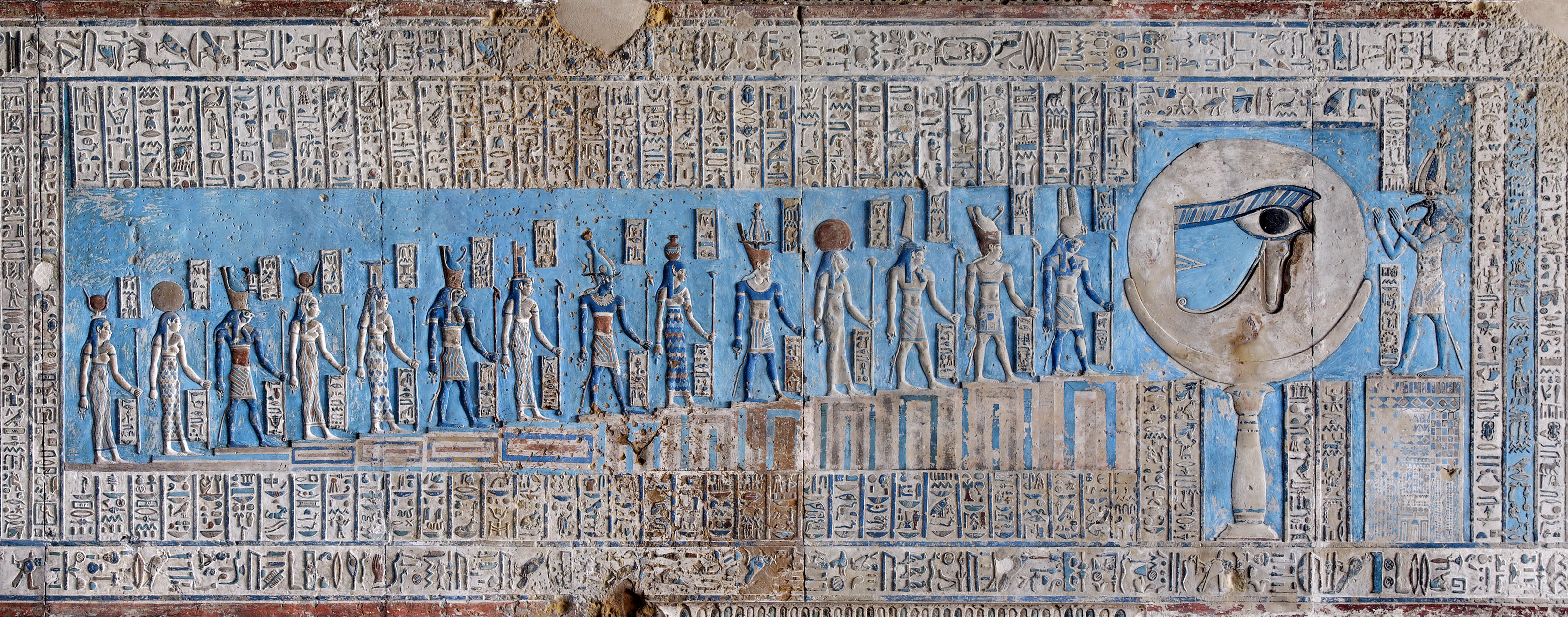
In Ancient times people looked to the stars for guidance..
Sumeria, Egypt, Babylon.. The Shang and the Zhou.. The Seers of these once flourishing civilations kept records of the dance of Sun, Moon and Planets against the deep expanse of space and the astral canopy.
Even in pre-agricultural times, long-since-forgotten nomadic peoples worshipped the celestial bodies as gods and goddesses. Every aspect of life was timed by their rising and falling, setting and re-emergence, death and rebirth.
In those times, calendars and time-keeping were in correspondence with the heavens. The seasons were determined by celestial phenomena coinciding with seasonal weather changes and the passing of the year.
With the Bronze age, the ecliptic (the path the Sun travels through each year in the sky) was divided into areas allocated to various animals, deities, stories and lore. Different representations based on different indigenous cultures.
In Mesopotamia the zodiac was divided into 12 equal divisions, a system that was further developed in Egypt, India, China and Arabia. Records were kept; incribed in clay, stone and wood.
With the Hellenistic period, the Greeks recovered these records and set about translating and investigating the astronomical observations of the stars and sky.
With Rome, astrology was outlawed, and the art was lost for several hundred years. In the middle ages, an underground movement developed and astrological texts were again translated into Latin and other languages. But at this moment in history, one thing was overlooked… the importance of Precession.
What is Precession? And why does it matter in Astrology?
to be continued..
 realskyastrology.guide